
Learn how yellow laser treatment works, what it targets, and what to consider before choosing this skin option.
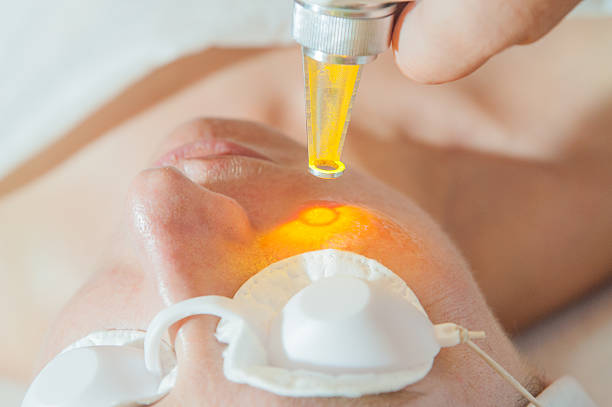
Understanding Yellow Laser Treatment for Common Skin Concerns
People often seek laser-based procedures and non-surgical approaches to visible skin concerns such as redness, uneven tone, and certain pigment issues. Yellow laser treatment is one of the treatments. This type of treatment commonly works beneath the skin without removing the top layer, and it is often used for concerns related to vascular and pigmentation changes.
Skin concerns vary from person to person. It is important to understand how the treatment works before deciding whether it may be suitable. Patients should look at what the treatment is designed to target, how it fits their skin concerns, and why professional assessment is important.
How This Type of Laser Works
Yellow and green laser systems are designed to use specific wavelengths to target selected structures in the skin with precision. Yellow and green laser as a dual-wavelength, non-ablative treatment aimed at vascular and pigmentation concerns with minimal downtime. Laser and light treatments are optimal choices to overcome concerns such as redness, age spots, pigment issues, scars, and signs of skin ageing.
Yellow laser treatment is often discussed for people dealing with redness-related concerns or uneven complexion. The idea is not simply to brighten the skin on the surface, but to target specific visible issues more precisely than ordinary skincare products can.
Common Reasons People Consider It
People often seek alternatives, when products in store are not enough for the concern they want to address. In this case, certain forms of redness and pigmentation are often part of the discussion. Clinics that offer the procedure also position it as a skin-rejuvenation option with minimal disruption to daily routine.
For readers researching yellow laser treatment, it is helpful to understand that suitability depends on the specific skin issue involved. Not every type of redness or pigmentation is treated in the same way, and not every patient will be advised to use the same laser approach.
What to Consider Before Choosing It
One of the most important considerations is professional evaluation. A qualified provider should assess:
- the type of skin concern
- The depth of the skin concerns
- the patient’s skin characteristics
- The possibility of another treatment may be more appropriate.
This matters because laser procedures are selected based on what they are designed to target, not just on general popularity.
Other than that, it is also important for a patient to ask:
- the expected number of sessions
- possible downtime
- how the treatment plan will be tailored.
Some concerns may require more than one visit, and outcomes can vary depending on the condition being treated. Lasers can be useful for a range of skin conditions, but the treatment type and intensity differ according to the concern and desired balance between results and downtime.
Why Realistic Expectations Matter
Like many aesthetic procedures, yellow laser treatment should be approached with realistic expectations. It is a targeted treatment option, not a universal solution for every skin issue. Results, comfort level, and recovery can vary depending on the treatment area and the individual response. A consultation helps patients understand these limits more clearly and choose a treatment plan that fits their skin goals.
Conclusion
Yellow laser treatment is generally considered by people who want a non-surgical option for selected redness, vascular, or pigmentation-related concerns. Its appeal comes from targeted energy delivery and the possibility of minimal downtime, but the right choice depends on accurate diagnosis and professional guidance. By understanding how yellow laser treatment works and what it is intended to address, patients can make a more informed decision about whether it fits their skin needs.
Other posts