
Understanding PP Resin in Malaysia for Modern Manufacturing
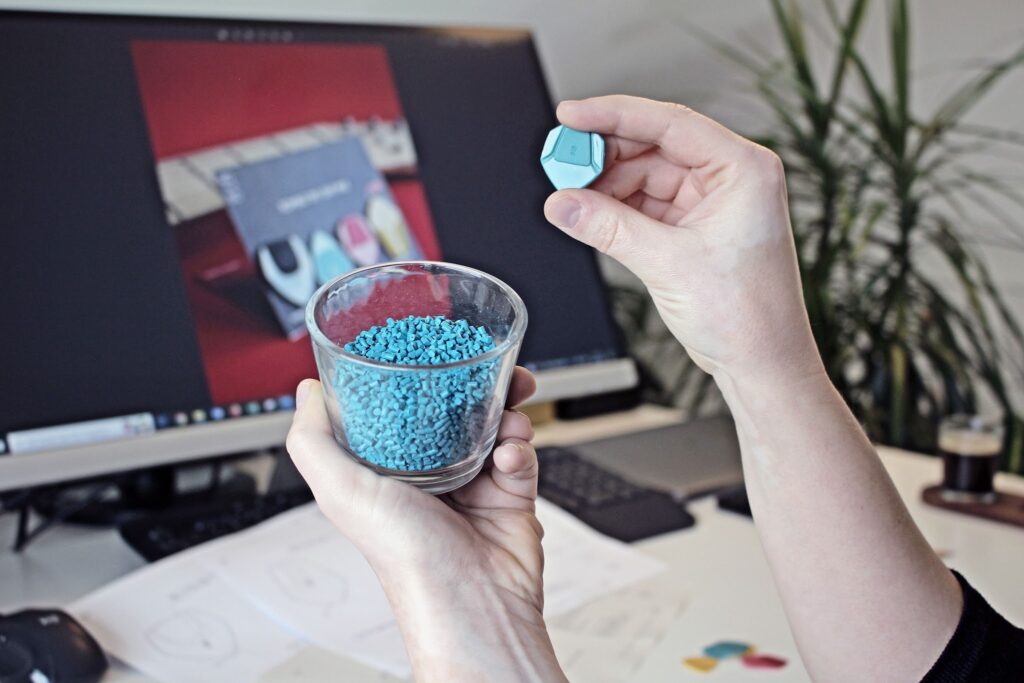
Polypropylene (PP) resin is a widely used thermoplastic material found in packaging, household products, automotive components and industrial goods. Manufacturers value it for its relatively low density, chemical resistance and ability to be processed using several established production methods.
When selecting PP resin in Malaysia, manufacturers need to consider more than the polymer name alone. Different grades can provide significantly different levels of stiffness, impact resistance, clarity and processing behaviour. Matching these characteristics to the intended application is an important part of material selection.
Why PP Resin Is Widely Used
Polypropylene is a semi-crystalline polymer produced from propylene monomers. Its low density is particularly useful when manufacturers want to minimise component weight while maintaining suitable mechanical performance.
PP also has good resistance to many chemicals and absorbs relatively little moisture. These characteristics support its use in applications ranging from storage containers and closures to laboratory products and automotive parts.
Another notable characteristic is fatigue resistance. Properly designed PP components can withstand repeated bending, making certain grades suitable for living hinges commonly found on flip-top lids and similar products.
Understanding Different PP Grades
Not every polypropylene resin provides identical performance. Homopolymer PP generally offers relatively high stiffness and strength, making it suitable for rigid products and applications where structural performance is important.
Random copolymer PP incorporates small amounts of another monomer, typically ethylene. Depending on its formulation, it can provide improved transparency and flexibility compared with standard homopolymer grades. This can make it useful for selected packaging and consumer applications.
Impact copolymer grades are formulated for improved toughness and impact resistance. They may be considered for applications where products need to tolerate greater mechanical stress or lower operating temperatures.
These variations illustrate why reviewing technical data is important when purchasing PP resin in Malaysia.
Melt Flow Rate and Processing Performance
One useful technical specification when comparing polypropylene grades is melt flow rate (MFR). It indicates how readily molten polymer flows under defined test conditions and helps manufacturers identify grades suited to different processing requirements.
A higher MFR generally indicates easier flow, which can be useful for thin-wall or complex injection-moulded parts. Lower-flow grades may be selected for other applications where different mechanical or processing characteristics are required. MFR should not, however, be considered independently from impact strength, stiffness, molecular structure and other performance requirements.
PP can be processed through injection moulding, extrusion, blow moulding and other manufacturing techniques. Appropriate temperature, pressure and cooling conditions depend on the selected grade and production equipment.
Where Is PP Resin Commonly Applied?
Applications for PP include food and non-food packaging, reusable containers, caps, household goods, fibres, automotive components and various industrial products. Modified, filled or reinforced formulations can further extend its performance for more demanding uses.
PP is part of the broader category of general-purpose plastic resins used across high-volume manufacturing. Choosing among these materials requires consideration of operating temperature, chemical exposure, mechanical loads, appearance and regulatory requirements where applicable.
For companies evaluating PP resin in Malaysia, examining the complete technical requirements of the finished product is therefore essential. Selecting an appropriate grade can improve processing consistency while ensuring the finished component has the properties required for its intended use.